In the US, water is a shared resource held in trust for use by a state’s residents.
All water users are stakeholders in water-resources management and thus have a right to be involved in decisions affecting this shared resource.
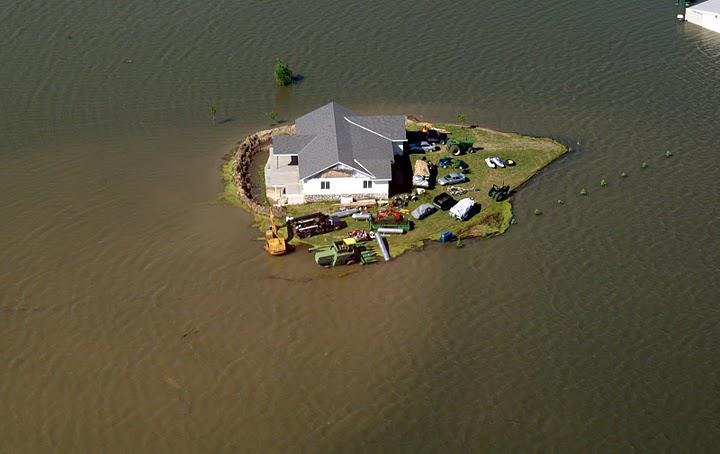
Yet water resources decision management is a complex interdisciplinary task. As such, it has historically prioritized technical solutions at the expense of considering social, cultural, and economic factors that ultimately determine whether a solution is effective. For some aspects of water management, like flood control and flood-risk reduction efforts, a more balanced approach can mitigate the effects of natural hazards on communities.